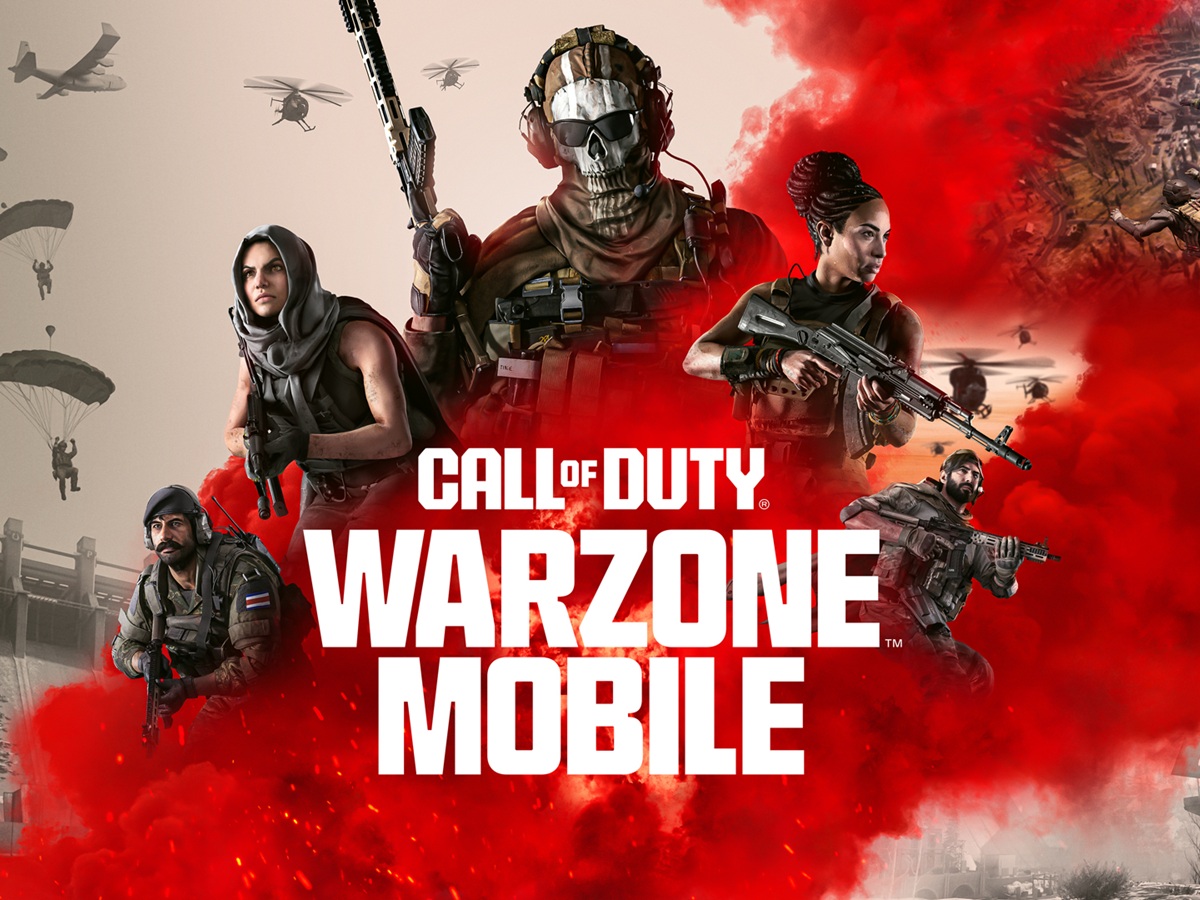
On February 16, 2026, Activision officially announced the final chapter in the short-lived saga of Call of Duty: Warzone Mobile. The servers will permanently shut down on April 17, 2026, marking the end of what was supposed to be a flagship mobile experience for one of gaming’s most valuable franchises. This decision represents not just the closure of a single game, but a stark admission of failure for a project that had garnered 50 million pre-registrations and was developed entirely in-house by Activision’s internal studios.
The announcement came with telling language from Activision: “While we’re proud of the accomplishment in bringing Call of Duty: Warzone to mobile in an authentic way, it unfortunately did not meet our expectations with mobile-first players like it has with PC and console audiences.” This carefully worded statement masks a more brutal reality—Warzone Mobile was a commercial disappointment of significant proportions, failing to gain traction in a mobile gaming market that Activision had previously dominated with Call of Duty: Mobile.
Warzone Mobile Numbers Tell a Sobering Story
To understand the magnitude of Warzone Mobile’s failure, one must examine the stark contrast between expectations and reality. The game launched globally on March 21, 2024, backed by massive marketing efforts and the considerable weight of the Call of Duty brand. Despite 50 million pre-registrations—a number that would make most mobile game publishers salivate—the actual revenue performance was catastrophic.
In its first four days post-launch, Warzone Mobile generated just $1.4 million in revenue. To put this in perspective, its predecessor Call of Duty: Mobile generated $4.2 million in the same timeframe—three times more. The first month’s performance was even more damning: Warzone Mobile accumulated merely $6.92 million compared to Call of Duty: Mobile’s $44 million first month in 2019. This represented a revenue shortfall of over 84% compared to the established mobile title.
By October 2024, monthly revenue had collapsed to approximately $710,000, and the cumulative lifetime revenue through November 2024 stood at just $13.7 million. For a game developed by multiple internal studios over several years with substantial marketing investment, these figures were unsustainable. By the time the decision was made to pull the game from app stores in May 2025, it had become clear that no amount of seasonal content or updates would reverse the trajectory.
The Strategic Miscalculation: Why Activision Went In-House
The decision to develop Warzone Mobile internally, rather than partnering with Tencent’s TiMi Studio Group as they had with Call of Duty: Mobile, was driven by a combination of financial and strategic considerations. Call of Duty: Mobile, while extraordinarily successful with over $1.7 billion in cumulative revenue by late 2024, required Activision to share revenue with Tencent under undisclosed terms. This partnership arrangement, while profitable, meant Activision was leaving money on the table.
Activision’s strategy was to create a mobile version of Warzone that could leverage cross-progression with PC and console versions, allowing players to use the same skins, weapons, and progression across all platforms. In theory, this would create a seamless ecosystem where purchases made on one platform would be accessible everywhere, potentially driving higher overall engagement and revenue per user. The development was handled by an all-star team including Beenox, Activision Shanghai, Digital Legends Entertainment, and Solid State Studios.
However, this strategic bet fundamentally misunderstood what makes mobile gaming successful. Mobile-first players, as Activision later admitted, wanted a game designed specifically for mobile devices, not a port of a console/PC experience. The cross-progression feature, while technologically impressive, may have actually hurt monetization as players could make purchases on PC or console where they had existing payment methods and comfort, bypassing mobile storefronts entirely. This meant Warzone Mobile couldn’t effectively monetize its player base through traditional mobile channels.
Technical Challenges and Player Dissatisfaction
Beyond the revenue shortfall, Warzone Mobile faced persistent technical issues that plagued the player experience. Reports of device overheating were rampant, particularly on mid-range and older smartphones. The game’s ambitious graphics—attempting to mirror the console and PC experience—proved too demanding for many mobile devices, creating a frustrating experience for a significant portion of the potential user base.
Perhaps more damaging was the prevalence of bots in matches. Following the Season 3 update, player complaints about excessive bot presence in matches reached a crescendo. For a battle royale game, the presence of AI-controlled opponents fundamentally undermines the competitive tension that makes the genre compelling. This suggested that player retention was so poor that the game couldn’t fill matches with real players, necessitating bot backfill—a vicious cycle that further discouraged engaged players from continuing.
Financial Context: Microsoft’s Gaming Division Performance
The decision to shut down Warzone Mobile must be understood within the broader context of Microsoft’s acquisition of Activision Blizzard for $68.7 billion, which closed in October 2023. Under Microsoft ownership, the gaming division—which includes Xbox, the acquired Activision Blizzard properties, and other studios—has been under pressure to demonstrate value and return on investment.
Microsoft’s gaming segment generated approximately 8% of total company revenue in fiscal year 2025, with the integration of Activision Blizzard adding roughly $8.7 billion annually to Microsoft’s top line. However, with Xbox Game Pass subscriptions as a primary focus and the need to justify the massive acquisition price, every dollar spent on underperforming projects faces intense scrutiny.
In this context, Warzone Mobile represented not just a revenue disappointment but an opportunity cost. The development resources—multiple studios working over several years—could have been redeployed to higher-value projects. With Microsoft’s strategic focus on Game Pass, cloud gaming, and AI integration into gaming experiences, maintaining a struggling mobile title that couldn’t demonstrate a path to profitability made little strategic sense.
Stock Performance and Market Context
Microsoft’s stock (MSFT) has experienced volatility in 2026, opening the year around January 2026 levels and currently trading at approximately $396.86 as of February 17, 2026—down from its all-time high of $541.06 reached on October 28, 2025. This represents a decline of approximately 26.6% from that peak, reflecting broader market concerns about technology valuations and the sustainability of AI-driven growth expectations.

Year-to-date performance for Microsoft has been negative, with the stock down approximately 4.32% over the past year. This underperformance relative to some expectations has increased pressure on all divisions, including gaming, to demonstrate clear value creation. In this environment, shuttering an underperforming asset like Warzone Mobile can actually be viewed positively by investors as evidence of disciplined capital allocation and willingness to cut losses rather than throw good money after bad.
It’s worth noting that Activision Blizzard was delisted from public trading after the Microsoft acquisition completed, so there are no independent Activision stock metrics to examine. However, analysts following Microsoft’s gaming division have noted that the Activision acquisition added approximately 4% to Microsoft’s revenue but at a significant cost—the $68.7 billion purchase price represented nearly half of Microsoft’s cash reserves at the time.
The Broader Mobile Gaming Landscape
Warzone Mobile’s failure is particularly striking when contrasted with the continued success of Call of Duty: Mobile. The original mobile title remains one of the top-grossing shooters on mobile platforms, generating over $3 billion in lifetime revenue and maintaining strong engagement. In October 2024 alone, Call of Duty: Mobile generated approximately $22.65 million in in-app purchases—more than twice Warzone Mobile’s entire lifetime revenue.
This success differential highlights a crucial lesson: mobile gaming success requires understanding mobile-first design principles. Call of Duty: Mobile was built from the ground up for mobile devices, with controls, match lengths, and monetization designed for the platform. Warzone Mobile, despite being technically proficient, felt like a mobile port of a PC/console experience—exactly what it was designed to be, but exactly what mobile-first players didn’t want.
The mobile gaming market in 2024-2025 showed signs of maturation and increased competition. Players had more choices than ever, and the barrier for success had risen dramatically. Even with the Call of Duty brand and 50 million pre-registrations, Warzone Mobile couldn’t overcome fundamental design choices that alienated its target audience while failing to offer compelling reasons for console/PC players to engage on mobile.
Lessons and Implications for the Industry
The Warzone Mobile shutdown offers several critical lessons for the gaming industry. First, brand strength alone cannot overcome fundamental product-market fit issues. Despite being one of gaming’s most valuable IP portfolios, Call of Duty couldn’t save a game that didn’t resonate with its intended audience. Second, cross-platform integration, while technically impressive, must serve player needs rather than corporate convenience. The seamless progression system that looked great on paper may have actually hindered monetization and created confusion about the product’s identity.
Third, the decision to develop in-house rather than partner with mobile gaming experts proved costly. Activision’s desire to retain full revenue control led them to bypass TiMi Studio’s proven expertise in mobile game development. While partnership arrangements do reduce profit margins, they also mitigate risk and leverage specialized knowledge. The Warzone Mobile failure suggests that the premium Activision saved by going alone cost far more in lost opportunity and development expenses.
For Microsoft, the quick decision to shut down the game rather than continue investing in a turnaround demonstrates a pragmatic approach to portfolio management. With Call of Duty: Mobile continuing to generate substantial revenue under the Tencent partnership, there was no strategic imperative to maintain a competing, underperforming product. The announcement that players should transition to Call of Duty: Mobile for their mobile gaming needs makes clear that Activision is consolidating around proven success rather than supporting parallel experiments.
Conclusion
The shutdown of Call of Duty: Warzone Mobile on April 17, 2026 closes a chapter on one of the gaming industry’s most high-profile failures. With lifetime revenue barely exceeding $13 million against development costs likely in the tens of millions and marketing expenses potentially higher still, the game never approached profitability. The contrast with Call of Duty: Mobile’s $3 billion success story makes the failure even more pronounced.
From a financial perspective, the decision to shut down was inevitable once it became clear that no reasonable path to profitability existed. Microsoft’s gaming division, under pressure to demonstrate value from the Activision acquisition, couldn’t justify continued investment in a title that was hemorrhaging money and player engagement. The broader market context—with Microsoft’s stock under pressure and investors scrutinizing all spending—made the decision even more straightforward.
For the players who enjoyed Warzone Mobile despite its flaws, Activision’s guidance is clear: Call of Duty: Mobile remains fully supported with regular seasonal content updates. For Activision and Microsoft, the lesson is equally clear: in mobile gaming, even the strongest brands must earn their success through products designed specifically for the platform and its unique audience. Warzone Mobile’s failure wasn’t for lack of effort or investment—it was a failure of strategy, execution, and understanding the fundamental differences between mobile and console gaming audiences.
Call of Duty Warzone Mobile, Activision Blizzard, Microsoft Gaming, Mobile Gaming, Game Shutdown, Gaming Industry News, Business Analysis, Mobile Games, Financial Performance, Game Development, Server Shutdown, Revenue Analysis, Strategic Failure, Cross-Platform Gaming, Mobile-First Design, Game Monetization, Player Retention, Technical Issues, Microsoft, Activision, Call of Duty, Xbox, Tencent, TiMi Studio, Gaming Revenue, Stock Performance, MSFT, Microsoft Acquisition, ROI Analysis, Investment Strategy, iOS, Android, Mobile Gaming Platform, App Store, Google Play, Call of Duty Mobile, Battle Royale Games, Free-to-Play Games, Mobile Shooters, Mobile Gaming Market, Cross-Progression, In-House Development, Game as a Service, Live Service Games
#WarzoneMobile #CallOfDuty #MobileGaming #GamingNews #Activision #MicrosoftGaming #GameShutdown #GamingIndustry #BattleRoyale #F2P #LiveService #GameDevelopment #MobileFail #GamingAnalysis #TechNews