
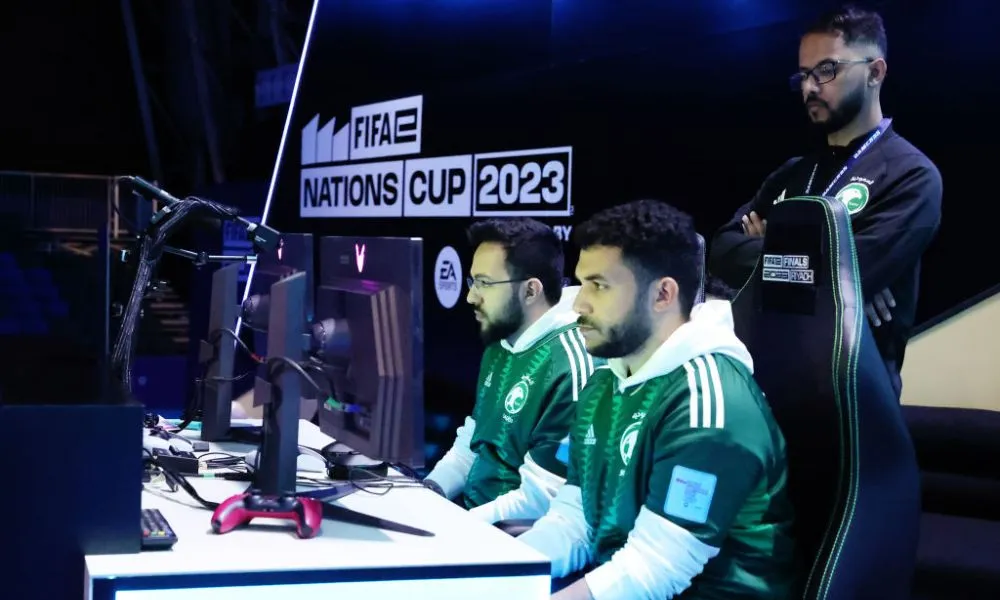
Ahead of the Esports World Cup 2026, Iranian missiles target Riyadh as Saudi Arabia builds a $38B gaming empire. The $75M Esports World Cup in July decides if this survives.
Saudi Gaming as Iran Bombs Riyadh
| Metric | Detail |
| Total Investment | $38 billion committed to gaming sector through Savvy Games Group |
| Recent Consolidation | $12 billion in gaming equity stakes transferred to Savvy (Q1 2026) |
| Key Event at Risk | Esports World Cup 2026: $75M prize pool, July 6-August 23, Riyadh |
| Stock Impact | Nintendo -16.4% YTD, Sony -10.7% YTD (companies PIF owns stakes in) |
| War Status | Iranian missiles targeting Riyadh since Feb 28; 12,000+ Gulf flights cancelled |
| Geographic Irony | Saudi Arabia being bombed while hosting world’s largest esports tournament in a war that’s destroying Asian gaming companies they own |
PIF Gaming Investment Strategy
Saudi Arabia just consolidated $12 billion worth of gaming investments from Nintendo, Capcom, Nexon, and Embracer Group into a single entity while positioning Riyadh as the global gaming capital. That should mean confidence in the strategy. Instead, the country is intercepting Iranian ballistic missiles over the venue for their $75 million Esports World Cup, the Asian gaming giants they own are getting crushed by supply chain chaos from the war, and industry executives are telling Bloomberg “nobody is going to relocate their family to a city that’s intercepting ballistic missiles.” Here’s why this circular firing squad might still be the most audacious play in gaming history.
Saudi Arabia gaming Iran war
On February 28, 2026, the United States and Israel launched coordinated military strikes on Iran, killing Supreme Leader Ayatollah Ali Khamenei in what became Operation Epic Fury. Within hours, Iran responded by firing over 130 ballistic missiles and 200+ drones across the Gulf region, targeting US military bases in the UAE, Qatar, Bahrain, Kuwait, and critically, Saudi Arabia itself.
The timing couldn’t be worse for Saudi Arabia’s gaming ambitions. Just weeks earlier, in early 2026, PIF transferred approximately $12 billion worth of gaming-related equity stakes to Savvy Games Group, consolidating the fund’s scattered positions in Nintendo, Capcom, Nexon, and Embracer Group under a single operational roof. This move was supposed to signal the kingdom’s commitment to becoming one of the 20 largest gaming companies on earth by asset value.
The crown jewel of this strategy is the Esports World Cup 2026, scheduled for July 6-August 23 in Riyadh. The event features a record-breaking $75 million prize pool, 2,000 players from over 100 countries, and 25 tournaments across 24 game titles including League of Legends, Counter-Strike, and Fortnite. Crown Prince Mohammed bin Salman views this as more than a tournament — it’s a cultural bridge to connect Saudi Arabia to 3.4 billion gamers globally, positioning Riyadh alongside Los Angeles, Tokyo, and Seoul as an industry capital.
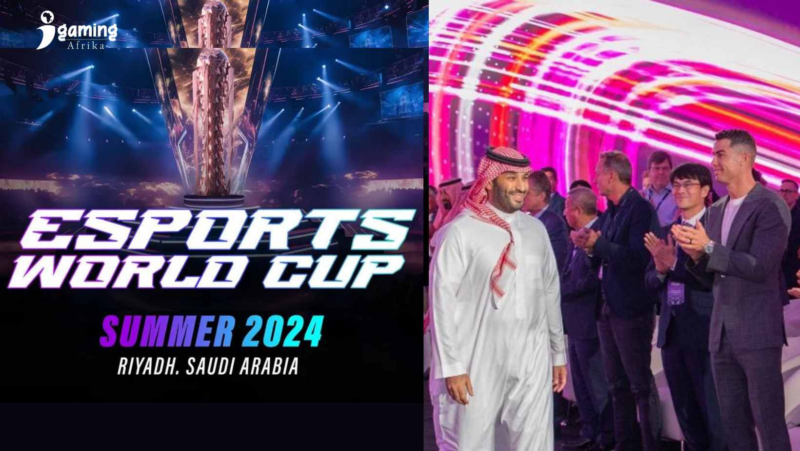
But the Iran war has thrown everything into chaos. More than 12,000 flights have been cancelled across the Gulf since March 1, and the Strait of Hormuz closure has disrupted approximately 20% of global oil supplies, creating unprecedented logistics nightmares for the gaming hardware supply chain.
What The Numbers Say
The financial damage is mounting on multiple fronts, creating a situation where Saudi Arabia is simultaneously losing money as both investor and host nation.
The Investment Portfolio Carnage
Saudi Arabia’s gaming equity stakes are hemorrhaging value. Nintendo’s U.S.-listed shares have dropped 16.4% year-to-date, while Sony’s stock has fallen 10.7%, with particularly sharp declines in early March when Nintendo fell 2.8% and Sony dropped 1.4% on a single day as the war intensified.
The damage isn’t just from stock price declines — it’s from fundamental business disruption. Both companies are in critical hardware cycles: Nintendo is ramping production for the Switch 2 console, while Sony is in peak PS5 sales period. Nintendo produces hardware for North America in Vietnam and accessories in China, the exact routes now facing extended shipping times and massive cost increases.
Here’s what the supply chain disruption means in dollar terms:
| Impact Area | Cost Increase | Business Effect |
| Shipping Routes | +150-200% (re-routing around Africa adds 2-3 weeks) | Delays for Switch 2 launch inventory |
| Oil Prices | Brent crude: $70 → $110/barrel (+57%) | Logistics costs up 8-12% of COGS |
| Air Freight | 4,000+ daily cancellations | Premium shipping unavailable for launch windows |
| Hardware Margins | Typically 10-15% | Entire margin consumed by increased costs |
The Tournament Economics
The Esports World Cup represents a direct investment of $75 million in prize money alone, but the real financial exposure is far larger. The event requires:
- Venue operations for 49 days (July 6-August 23)
- International player and staff logistics for 2,000+ participants
- Broadcast infrastructure and production
- Sponsorship fulfillment to commercial partners
- Insurance coverage (now potentially unattainable)
If the war continues through summer, the calculus changes dramatically. A July tournament in a country still intercepting missiles would face boycotts from teams, sponsors, and broadcasters. Insurance costs alone could make the event financially unviable even with the prize pool already committed.
What Could Go Wrong (Or Right)
The Bear Case: The Geographic Paradox Becomes Permanent
The most damaging scenario isn’t that the Esports World Cup gets cancelled — it’s that it proceeds under security concerns, produces mediocre attendance and viewership, and permanently damages the “Riyadh as gaming capital” thesis.
Global stocks have lost 5.5% since the conflict began, with Asia being the hardest hit. Gaming stocks are underperforming even those broad declines because of the supply chain concentration risk that nobody priced in.
The Bull Case: The Ultimate Contrarian Play
Here’s the scenario where this becomes genius: the war ends by late March (as Trump has suggested is possible), oil prices normalize, and the Esports World Cup proceeds in July with minimal disruption.
In that case, Saudi Arabia will have bought Nintendo, Sony, and Capcom equity at what could be historic lows. Nintendo conservatively forecast 15 million Switch 2 sales in the full year ending March 2026, with full-year net sales expected to increase by 61% year-over-year. If supply chains normalize, that deferred demand explodes in Q3-Q4 2026.
What To Do With This
If you hold Nintendo, Sony, or Capcom stock:
Watch the conflict duration, not daily price movements. Historically, the S&P 500 lost 0.9% in the first month after major geopolitical events but rose 3.4% across the six months after. Hardware manufacturers with strong IP can recover quickly if supply chains normalize. The key signal: Strait of Hormuz reopening to commercial traffic.
If you’re evaluating Saudi gaming exposure:
Understand that you’re not just betting on gaming fundamentals — you’re betting on whether Mohammed bin Salman can execute a soft-power pivot in the middle of a regional war. The $38 billion is real capital with real assets, but the strategic rationale depends entirely on Riyadh becoming a credible gaming hub.
The one signal to watch:
Announcement or cancellation decisions for the Esports World Cup by mid-May. Organizers need 6-8 weeks minimum for international logistics. The event has not been cancelled as of mid-March, with organizers confirming it will run as scheduled. But watch for subtle changes: reduced international team participation, major sponsor withdrawals, or venue modifications that signal security concerns are forcing compromises.
The Bottom Line
Saudi Arabia is executing a $38 billion gaming strategy that requires convincing the world Riyadh is safe, attractive, and culturally relevant while Iranian missiles target their capital and a war destroys the Asian gaming companies they own stakes in. That sounds catastrophically bad until you understand the timeline arbitrage: they’re playing a 2030 game in a 2026 crisis. The Esports World Cup in July isn’t just a tournament — it’s a $75 million referendum on whether soft power can survive hard missiles. If it succeeds, this becomes the most audacious geopolitical bet in gaming history. If it fails, Saudi Arabia will own $50+ billion in gaming assets with no strategic coherence and a permanently compromised geographic position.
Disclosure: This article is for informational purposes only and does not constitute financial advice. All figures sourced from Bloomberg, Reuters, Al Jazeera, Wikipedia, company announcements, and financial filings as of March 17, 2026. Stock prices and geopolitical situations are subject to rapid change.

It’s a really interesting contrast to see investment in entertainment alongside geopolitical tensions. The Esports World Cup certainly adds a layer of complexity to the situation.